
Preparing a meal every evening without spending an hour or endlessly recycling the same buttered pasta is a challenge that most households face. The key lies not in any particular culinary talent, but in a few compositional reflexes that allow for varying simple and quick meals throughout the week.
Assembling a balanced plate in under twenty minutes
Before looking for recipes, it’s better to understand how a well-constructed quick plate works. The principle is simple: a base (starch or bread), a source of protein, and a cooked or raw vegetable. With these three pillars, you can create dozens of dishes without an endless shopping list.
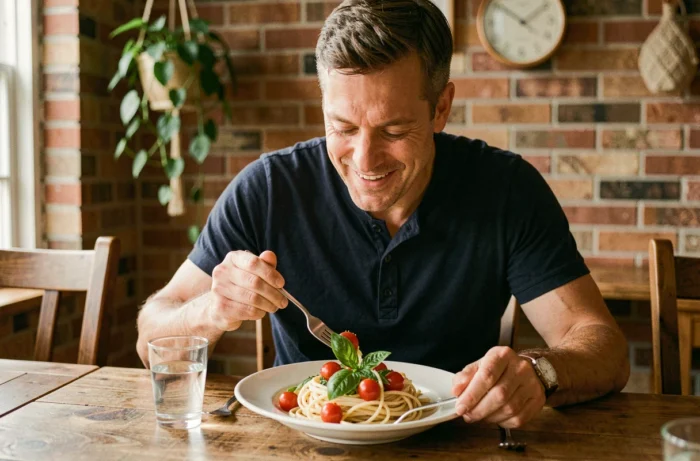
Take a concrete example. Whole grain pasta, a can of tuna, halved cherry tomatoes, and a drizzle of olive oil. Total time: the cooking time of the pasta, about twelve minutes. The dish is filling and varied if you change the protein or vegetable each evening.
Eggs are an underrated ally. An omelet filled with grated zucchini or mushrooms cooks in just a few minutes in the pan. When Keskejmets? enters your evening thoughts, the quickest answer often comes from the refrigerator rather than the cupboard.
Less meat, more eggs and legumes: this is a trend observed in current French eating habits, aiming to manage the budget while maintaining a proper protein intake.
Quick evening meals: three formulas to alternate each week
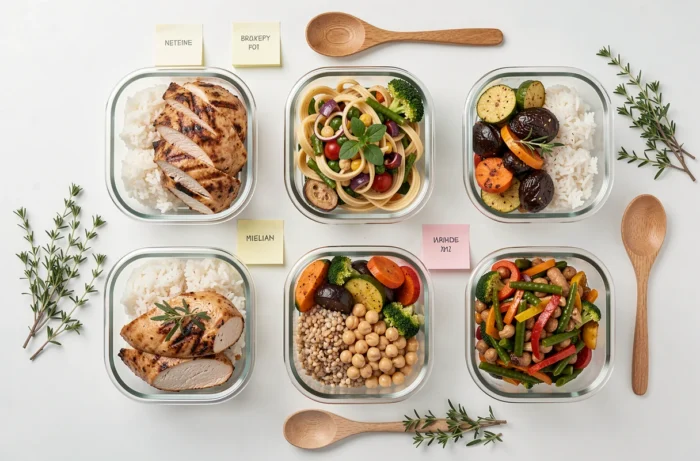
Instead of planning a fixed menu from Monday to Sunday, focus on three basic formulas that you can freely alternate. This approach allows for flexibility without falling into monotony.
The gratin or oven dish formula
A potato gratin, a zucchini gratin with goat cheese, or a leek quiche require little active work. You prepare the mixture, put it in the oven, and the oven does the rest. The active preparation time rarely exceeds fifteen minutes.
A good reflex: prepare the quiche dough in double quantity and freeze half. The following week, you just have to fill it and bake.
The pan or wok formula
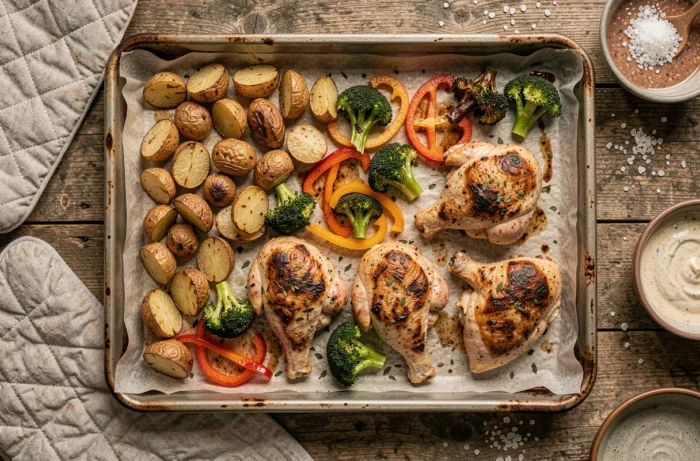
Chicken stir-fry with vegetables, a sauté of red lentils with curry, or shrimp sautéed with rice: everything is done in a single container. Less dishwashing, quick cooking, adjustable seasoning.
A one-pan dish covers proteins, vegetables, and starches in a single cooking. Vary the sauce (soy, tomato, light cream) to never feel like you’re eating the same thing.
The cold or assembled formula
Some evenings, turning on the heat is not an option. A large composed salad replaces the hot dish without sacrificing balance. Here are some combinations that work well:
- Chickpea salad with tomatoes, cucumber, feta, and fresh mint, dressed with a drizzle of olive oil and lemon
- Whole grain bread slices with avocado, soft-boiled egg (pre-cooked), and sesame seeds
- Cold rice bowl with smoked salmon, edamame, and soy sauce, homemade poke style
These cold meals can be prepared in under ten minutes if the basic ingredients are already in the refrigerator.
Soup, salad, one-pot dish: adapting meals to the season
The classic trap of weekly menus is designing them out of context. A heavy gratin in the middle of summer or a fresh salad on a January evening is unappealing to anyone.
In autumn and winter, soup becomes the ultimate quick meal. A butternut squash soup requires just one vegetable, water, salt, and a blender. Add a piece of bread and some grated cheese: dinner is ready.
In spring and summer, composed salads and cold dishes take over. Seasonal vegetables (tomatoes, zucchini, peppers) can be eaten raw or barely cooked, which further reduces time in the kitchen.
Have you noticed that the quickest recipes often require the fewest ingredients? It’s no coincidence. Three or four well-chosen fresh products are enough for a tasty meal.
Shopping and anticipation: the real time-saver during the week
The speed of a meal doesn’t just depend on what’s happening at the stove. It starts at the grocery store. Shopping without a list means wasting time at the supermarket and ending up with a poorly stocked refrigerator by Wednesday evening.
Having a few key ingredients on hand radically changes the game:
- Eggs, grated cheese, and fresh cream to improvise quiche, omelet, or gratin
- Pasta, rice, and lentils as a versatile starch base
- Canned legumes (chickpeas, red beans) that can be added directly to a salad or hot dish
- Jarred tomato sauce, olive oil, and a few basic spices (cumin, paprika, herbs de Provence)
A well-stocked pantry transforms any leftover vegetable into a complete meal. With an onion, a can of tomatoes, and pasta, you already have dinner.
Batch cooking (preparing in advance on Sundays) works, but it requires a discipline that not everyone has. A more realistic alternative: double the quantities when cooking a dish that reheats well (soup, gratin, Bolognese sauce). The surplus serves for the next day or goes in the freezer.
Eating quickly and well during the week relies less on spectacular recipes than on shopping habits and composition. Three alternating formulas, a coherent basic pantry, and seasonal vegetables cover the vast majority of evenings. The best menu of the week is the one you don’t need to reinvent every day.