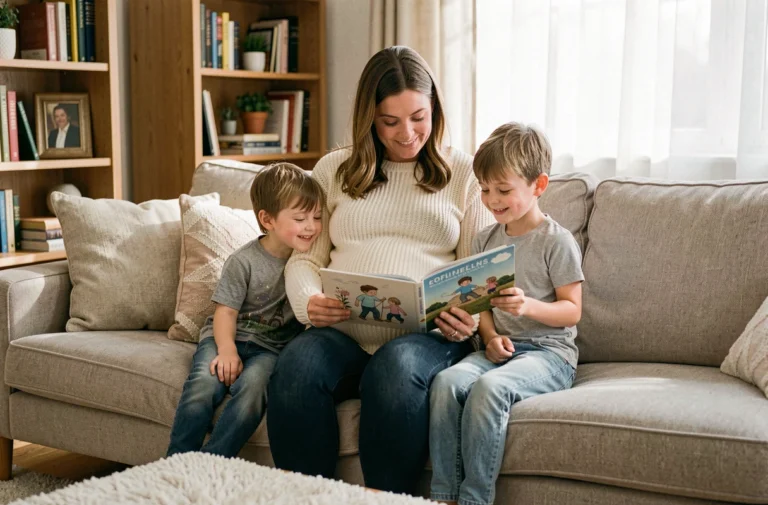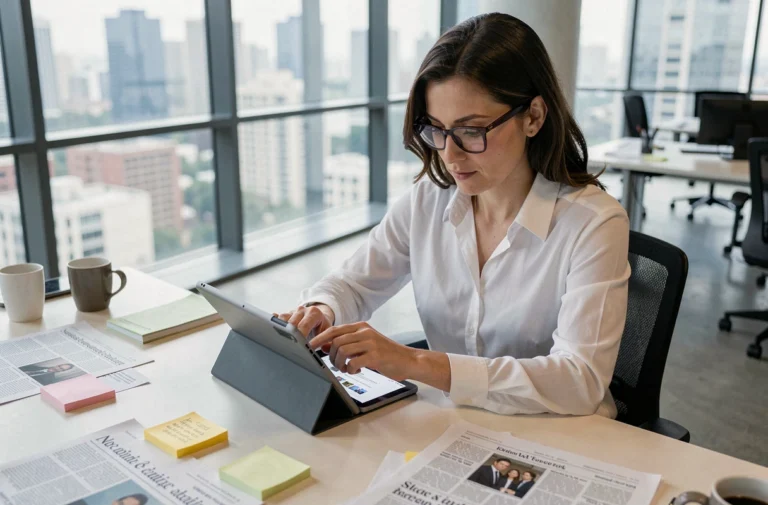
A colleague negotiating a raise after three years without asking, a mother resuming physical activity on Tuesday evenings between parent meetings, a thirty-something restructuring her budget to no longer depend on a joint account: women’s empowerment rarely plays out in grand declarations. It is built through concrete decisions, sometimes uncomfortable, often underestimated.
Women’s Financial Independence: The Least Glamorous Yet Most Decisive Lever
There is much talk about self-confidence and personal development in books dedicated to women. There is less discussion about savings accounts. Financial independence remains the foundation upon which everything else can be built serenely.
In practical terms, it starts with simple actions: opening a personal account separate from the household, automating a monthly transfer (even modest) to a dedicated savings account, and above all, knowing one’s fixed expenses down to the last euro. Many women discover their actual financial situation at the time of a separation or an unexpected professional event.
Online resources like vivrefemme.com address these everyday women’s issues with a direct tone, helping to demystify the topic of money. Because mastering one’s budget is far from a secondary issue in a modern woman’s life.
- List your income and expenses over three months to identify recurring budget leaks (forgotten subscriptions, impulse purchases)
- Set a precautionary savings goal covering a few months of fixed expenses, adjusted to your actual situation
- Check your retirement rights at least once a year, especially in cases of part-time work or extended parental leave
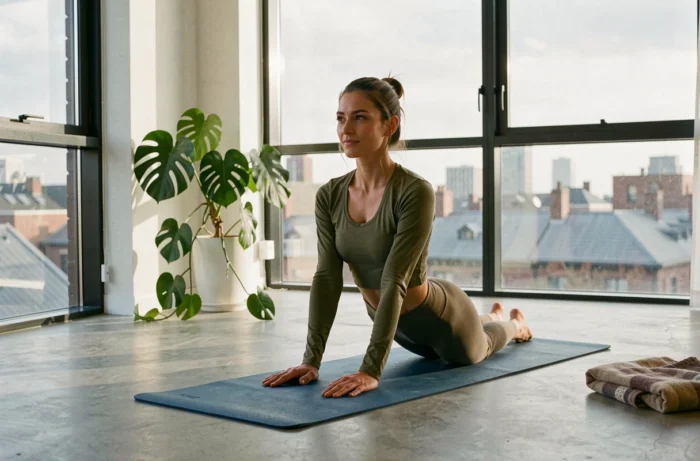
Physical and Mental Energy: Adapting Your Routine to Your Real Life
Advice on women’s well-being often revolves around the same triptych: meditation, yoga, organic food. This is not incorrect, but it is disconnected from the reality of many women juggling professional constraints, domestic responsibilities, and accumulated fatigue.
The goal is not to find the perfect routine, but one that is sustainable over time. For some, it means walking for twenty minutes every day during lunch. For others, it means replacing nighttime scrolling with half an hour of reading.
Managing Fatigue Rather Than Denying It
Chronic fatigue in women is rarely just a lack of sleep. It often results from mental load: anticipating, planning, remembering everything for everyone. You don’t solve this with herbal tea.
A concrete suggestion: delegate one task per week without supervising it. Not delegating while keeping an eye on it, but truly letting go of the outcome. Feedback varies on this point; some women find it liberating immediately, while others need several weeks for the habit to take hold.
Fashion Style and Silhouette: Reconnecting with Your Own Codes
Women’s fashion constantly produces contradictory injunctions. Be trendy yet authentic, dare but remain understated, invest in quality pieces yet refresh your wardrobe. Female personal development also involves a peaceful relationship with clothing and one’s silhouette.
Building a functional wardrobe starts with an honest inventory of what you actually wear. We often hold onto pieces that no longer fit our current life, out of nostalgia or guilt.
Three Questions Before Every Clothing Purchase
- Can I wear it in at least three different contexts of my current life (work, weekend, outing)?
- Does the cut flatter my silhouette as it is today, not as I wish it to be?
- Am I buying it because I love it or because I saw someone else wearing it?
This simple filter helps avoid impulsive purchases that clutter closets and strain budgets. Personal style is built through elimination, not accumulation.

Solitude and Social Connections: An Often Ignored Indicator of Well-Being
Recent data from the UK shows that women report feeling lonelier than men. This finding challenges the common belief that women, because they maintain more relationships, are protected from isolation.
Female solitude is not that of someone without contacts. It is often that of a woman surrounded yet never heard, present for others but rarely supported in return. The feminine power celebrated in personal development books also rests on the quality of connections, not their quantity.
Reconnecting with a Chosen Social Life
Joining a practice group (sports, reading, volunteering) better meets the need for connection than accumulating superficial contacts on social media. Regular engagement in a shared activity creates a different kind of bond, one that is more grounded.
A simple indicator to assess the quality of your circle: after a conversation, do you feel uplifted or drained? Reducing time spent with people who drain your energy is not selfish; it is a health decision.
Women’s empowerment is neither limited to an inspiring posture nor a list of good habits. It involves concrete choices about money, time, relationships, and priorities. The path differs for each woman, but the starting point remains the same: to decide actively rather than to suffer by default.