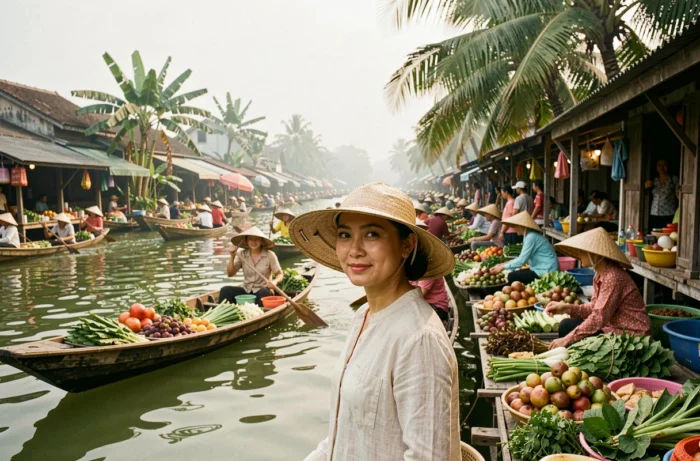
Asia encompasses dozens of countries with radically different climates, landscapes, and traditions. Choosing activities on such a vast continent requires understanding a few major categories of experiences, then refining them according to the region and season. Here are the key areas that structure a successful trip to Asia, from the most accessible to the most specialized.
Culinary immersion in Asia: the activity with the highest spending
Recent data shows that culinary experiences have become the top category of activity spending for travelers in Asia, surpassing adventure and luxury. This shift accelerated between 2024 and 2026, driven by the quest for authenticity and direct contact with local populations.
In practical terms, this translates into cooking classes with locals (Hué in Vietnam, Chiang Mai in Thailand), street food tours led by local guides in night markets, or fermentation workshops in Japan. These formats allow for an understanding of a culture through its most concrete foundation: the ingredients, the gestures, and the rhythms of meals.
To identify these experiences by country and type, consulting activities on En Route pour l’Asie provides a good starting point before booking anything on-site.
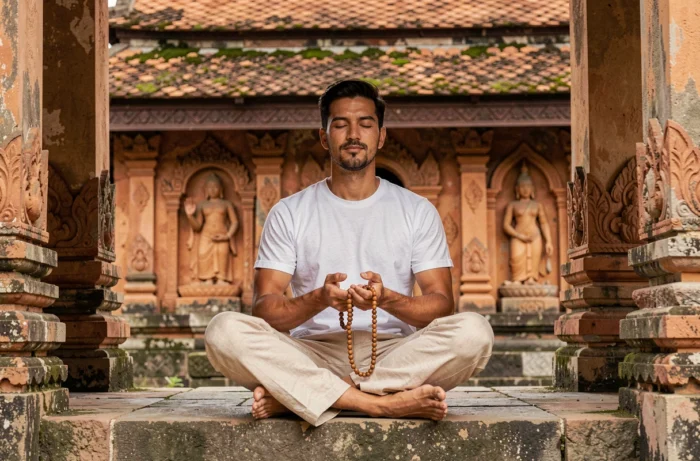
Soft adventure and accessible micro-adventures in Asia
High-altitude treks in Nepal or technical diving in the Philippines still exist, but a fundamental trend is reshaping the map of outdoor activities: soft adventure. This term refers to moderate, guided physical activities that require neither prior training nor specialized equipment.
The phenomenon is particularly documented among Indian travelers, a rapidly growing segment in the Asian market. Half-day guided hikes in Kyrgyzstan, kayaking on the lakes of Rajasthan, bike rides through the rice paddies of Bali: these short and accessible formats appeal to a broader audience than committed trekking.
Three micro-adventure formats that work well
- Community hikes in Central Asia (Kyrgyzstan, Uzbekistan), where local families host walkers along ancient sections of the Silk Road
- Canoeing or kayaking trips in the mangroves of Southeast Asia, often combined with an introduction to local fishing
- Bicycle tours in rural Japan or Vietnam, with stages of a few dozen kilometers per day and accommodations with locals
The advantage of these formats is that they work well for both couples and families with children. The physical barrier disappears, and the activity becomes a pretext for meeting people.
Central and Eastern Asia: emerging destinations for outdoor activities
Most “activities in Asia” guides remain focused on Southeast Asia. The “Year in Travel” report by Polarsteps, published in August 2026, documents a marked increase in interest in Japan, South Korea, and Central Asian countries (Kyrgyzstan, Uzbekistan, Tajikistan, Kazakhstan).
The reasons are quite clear. These destinations offer mountain and steppe landscapes that are hard to find elsewhere, a more temperate climate than tropical Asia, and rapidly developing community tourism infrastructures. In Kyrgyzstan, for example, the network of high-altitude yurts allows for several days of hiking without carrying a tent.
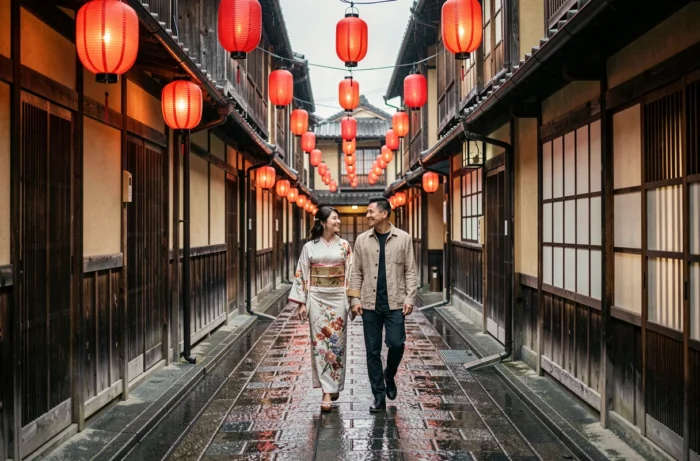
South Korea and Japan: beyond urban tourism
Japan attracts massively for its cities, but its pilgrimage trails (Kumano Kodo, Shikoku) and artistic islands like Naoshima offer activities in their own right. South Korea is developing its national parks with marked trails and shelters accessible without long-term reservations.
The common thread of these emerging destinations is the search for wild landscapes and less frequented routes. The traveler who has already visited Thailand or Vietnam finds a complete renewal of their experiences.
Responsible tourism in Asia: green labels and certified accommodations
Several Asian countries have launched environmental certification programs for their accommodations. Vietnam has published a set of official criteria for “green tourist accommodations,” and Singapore is among the countries most actively promoting sustainable hotel certification.
For travelers, this changes the way they choose their activities. A certified lodge in a national park often offers low-impact excursions (small groups, local naturalist guides, prohibition of single-use plastics), while a non-certified resort in the same area will sell speedboat outings for twenty people.
- Check if the accommodation displays a local or international environmental certification before booking
- Prefer activities led by guides from local communities, which ensures direct revenue redistribution
- Avoid unregulated animal attractions (elephant rides, monkey shows), which are still very present in Southeast Asia
Responsible tourism in Asia is no longer a marketing argument: it is a concrete sorting criterion between two providers, two accommodations, two excursions. Certifications exist, they are verifiable, and they directly influence the quality of the experience.
Asia remains a continent where the diversity of activities surpasses that of any other region in the world. The most structuring choice is not the destination, but the type of experience sought: culinary, physical, cultural, or naturalist. Departing with this framework helps avoid skimming over eight countries in three weeks without retaining anything from any of them.